The Job Comes Last: Why Future-Ready Youth Need More Than a Résumé
When people ask what For Youth Initiative does, the easy answer is: we help young people find their footing. The fuller answer takes longer to tell.
We work with Black, racialized, and newcomer youth in York South-Weston and Oakwood-Vaughan. Two Toronto neighbourhoods where the path from adolescence to adulthood has never been straightforward, and where the last few years have made it harder still. Affordability. Unemployment. Mental health pressures that don't pause for a job interview. Youth walking into our spaces carrying all of that, and more.
What we've learned over more than 30 years of this work is something that doesn't always show up cleanly in outcome reports: you can't skip to the job.
Employment is a destination. It is not a starting point.
The data on Black youth unemployment is stark. Black youth aged 15 to 24 face an unemployment rate more than 50 percent higher than their peers. Across Ontario's largest school boards, Black students are streamed into non-academic pathways at disproportionate rates, and suspended or expelled at rates two to three times their representation in the student population. Even Black Canadians with postsecondary credentials face unemployment rates nearly double those of their non-Black counterparts. Not because of what they know, but because of barriers that credentials alone don't remove.
These numbers don't describe a workforce readiness problem. They describe a systemic problem with a long tail. One that starts well before anyone hands a young person a job application.
At FYI, we design for that reality.
What future-ready actually looks like
The youth who walk through our doors are ambitious. That part rarely gets said loudly enough. They have plans. They have dreams. What they often don't have is the scaffolding to hold those plans steady while life pulls in other directions.
So before we talk about careers, we talk about what's happening at home. We work on emotional regulation. Not as a soft extra, but as a prerequisite for everything else. A young person who is dysregulated, food insecure, or navigating a school system that keeps sending them home cannot absorb academic content or retain employment skills. That's not a theory. That's what we see every week.
Our academic excellence programming builds the foundation. Student and family advocacy navigates the systems that can derail a young person before they ever reach the workforce. Mental health and wellness supports make it possible for youth to show up, to school, to training, to work, and to stay. Our upskilling work meets youth where they are and builds toward where they want to go.
When all of those pieces are in place, the result is employment that sticks. Not a placement that looks good on a report and falls apart six months later. A young person who is genuinely ready, because they've been supported across the full continuum of what readiness actually requires.
The risk of the shortcut
There is growing pressure in the social sector to demonstrate impact quickly and in terms that are easy to count. Placements. Certifications. Employment rates at 90 days.
Those numbers matter. But they are outputs, not outcomes. And for the communities we serve, youth navigating layered barriers, systemic inequity, and a labour market that is not neutral, outputs measured too early and too narrowly will consistently undercount the work that actually changes lives.
When foundational supports are cut or underfunded, the consequences don't show up right away. They show up later. When a young person who might have made it doesn't. When a family that needed someone to help them navigate the school system didn't have one. When the job that was supposed to be the turning point became one more disappointment, because the conditions for success were never in place.
What we're asking
Not for credit. Not for recognition that this work is hard.
We're asking for a shared understanding that the pathway to employment runs through community. Through belonging, through academic confidence, through mental wellbeing, through the kind of sustained, culturally grounded support that doesn't happen overnight and can't be replaced once it's gone.
FYI will keep doing this work because the youth in our neighbourhoods deserve nothing less. And we'll keep making the case, in our programs, in our data, and in conversations like this one, that investing in the full continuum isn't a luxury.
It's the only approach that works.

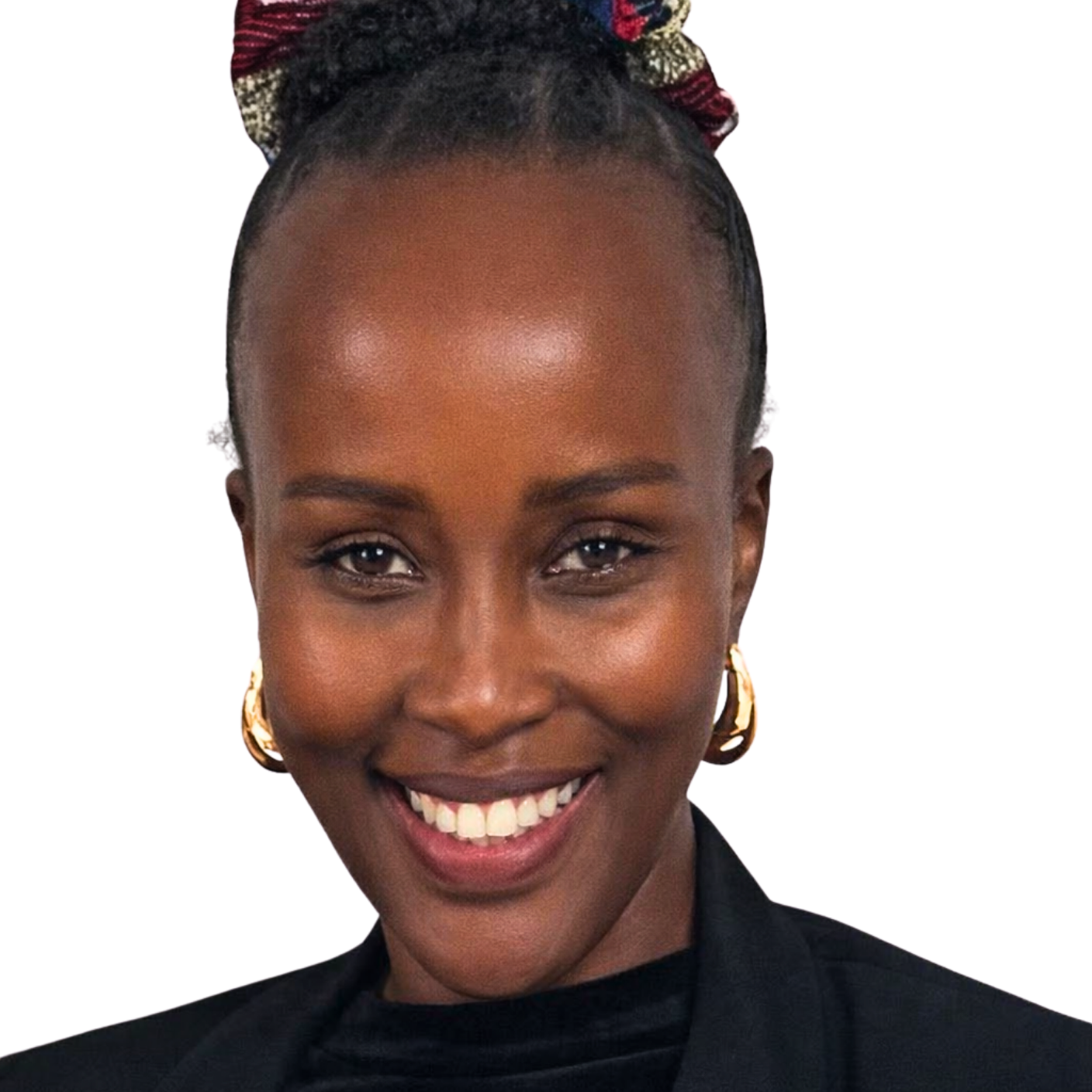
Brigitte Barikage
Executive Director
Brigitte Barikage is the Executive Director of For Youth Initiative. FYI serves Black, racialized, and newcomer youth ages 12 to 29 across York South-Weston and Oakwood-Vaughan in Toronto. Learn more at foryouth.ca.